2026 Top Trends in the Trucking Business for Future Growth?
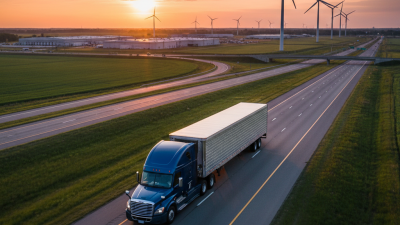
The trucking business is at a crossroads, where innovation meets tradition. Industry expert John Smith emphasizes, "Adaptation is essential for survival in trucking." As we look ahead to 2026, several trends are shaping the future of this vital sector. New technologies and shifting consumer demands present both challenges and opportunities.
Electric trucks are becoming more prevalent. This shift could reduce emissions and operating costs. However, the transition requires significant investment and infrastructure changes. Additionally, the rising popularity of e-commerce necessitates faster delivery solutions. Companies must adapt to remain competitive.
Despite these advancements, the trucking business faces hurdles. Labor shortages present a significant issue, demanding new strategies. Companies must prioritize training and retention efforts. The evolving landscape of regulations can also create uncertainties. Staying informed is crucial for success in this rapidly changing industry.
The Rise of Electric Trucks: Driving Sustainability in 2026
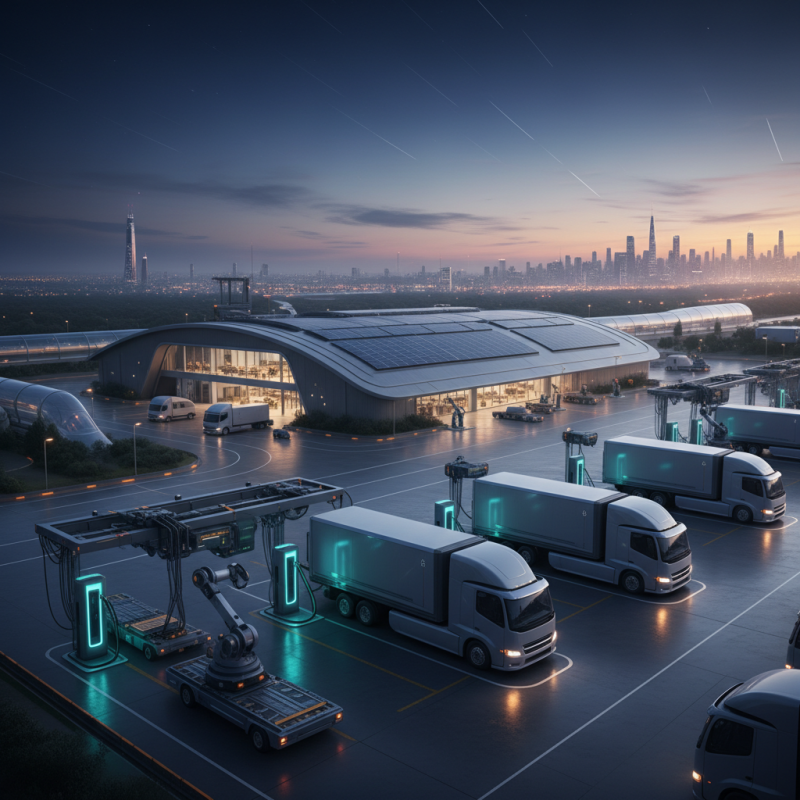
The rise of electric trucks is reshaping the trucking industry.
These vehicles promise lower emissions and reduced fuel costs. In 2026, many companies will adopt electric models.
This shift aims for a greener future. However, challenges remain.
Charging infrastructure is still limited in some areas. Without widespread access, the transition may slow down.
Electric trucks have advanced significantly in technology. They now offer improved range and payload capacities.
Some fleets have already begun using these trucks for short-haul deliveries. However, concerns about battery life and performance on long trips persist.
Fleets must find solutions to these issues. It's a learning curve for many operators.
Sustainability in trucking is essential, but it's not perfect yet. Electric trucks can reduce carbon footprints,
but the production of batteries raises questions. Mining for raw materials can be harmful to the environment.
Companies will need to reassess the lifecycle of these vehicles. It's vital to ensure that sustainability efforts do not overlook these impacts.
The future of trucking will be complex, but it's worth the journey.
Integration of Autonomous Technology in Trucking Operations
The trucking industry is experiencing a transformative shift with the integration of autonomous technology. According to a recent report by the American Transportation Research Institute, nearly 70% of motor carriers are exploring autonomous solutions. Companies are investing in this technology to improve efficiency and reduce operational costs. However, the road to full autonomy is still winding and complex.
Safety concerns are prominent. A 2023 study found that 40% of fleet managers worry about the reliability of autonomous systems. Real-world conditions can impact decision-making algorithms. Misjudgment in critical situations raises questions about the readiness of this technology. The challenges are significant, and the industry must address them before widespread adoption.
Despite these issues, the potential benefits are striking. Analysts project that autonomous trucks could lower transportation costs by 30%, significantly enhancing profit margins. Moreover, they may improve delivery times. Yet, companies must tread carefully. Investing in technology without addressing safety and regulatory hurdles could lead to setbacks. The future remains uncertain, but the momentum for automation in trucking is undeniable.
Impact of E-commerce Growth on Freight Demand and Logistics
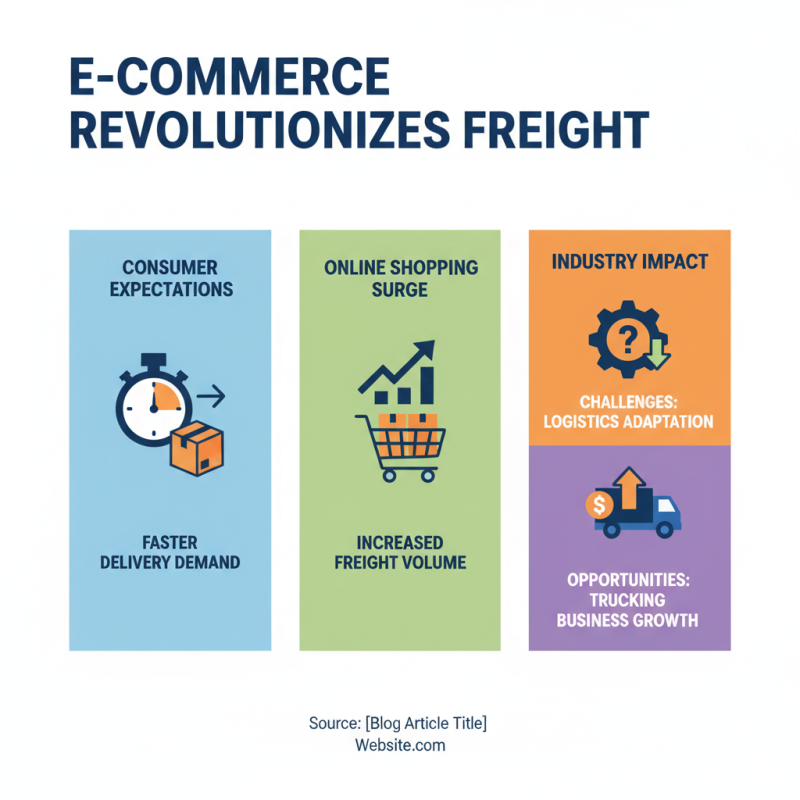
The rise of e-commerce has dramatically transformed freight demand. Consumers now expect faster delivery times, pressuring logistics to adapt. Online shopping habits have surged, leading to increased freight volumes. This shift creates both challenges and opportunities for trucking businesses.
Logistics networks must be more flexible than ever. Companies now face higher expectations for shipment speed and accuracy. This demands innovative solutions. Many trucking firms have embraced technology, such as AI and route optimization software. However, not all companies have adapted efficiently. Some struggle with outdated systems, causing delays and inefficiencies.
E-commerce also influences freight demand in unexpected ways. Seasonal peaks can overwhelm logistics infrastructure. An effective response requires careful planning and resource allocation. It’s crucial to understand these dynamics to avoid costly mistakes. As the e-commerce landscape continues to evolve, the trucking industry must remain agile and responsive to these changes.
Enhanced Telematics: Real-time Data for Improved Fleet Management
Enhanced telematics is transforming fleet management in trucking. Real-time data enhances decision-making and operational efficiency. According to a recent study, 75% of fleet managers report improved performance due to telematics systems.
Fleets equipped with telematics can monitor vehicle location, fuel consumption, and maintenance needs. This data allows for proactive management. For instance, predictive maintenance can reduce downtime. A report indicates that companies using these systems see a 20% decrease in maintenance costs.
However, not every company has fully embraced this technology. Some fleets struggle with data overload. Determining what data is essential remains challenging. As the industry evolves, staying updated on key metrics is crucial for sustained growth.
Regulatory Changes and Compliance Trends Shaping the Trucking Landscape
The trucking industry is undergoing significant changes due to regulatory updates. New compliance measures are being introduced that aim to enhance safety and efficiency. These changes impact everything from driver qualifications to vehicle maintenance standards. Companies must stay informed and adapt quickly to avoid penalties.
Electric vehicles are also making waves in trucking. Regulations encouraging eco-friendly practices require companies to rethink their fleets. Transitioning to electric can improve compliance but may require heavy investments. Some businesses struggle with these shifts; the process is not always straightforward or easy.
Data privacy regulations are becoming stricter too. Trucking firms must ensure that customer information is securely handled. Non-compliance can lead to hefty fines. Many organizations still lack robust strategies to protect data. It’s a wake-up call for those unprepared. Adapting to these regulatory changes is essential for future growth in the industry.
2026 Top Trends in the Trucking Business for Future Growth
| Trend | Description | Impact on Industry | Compliance Focus |
|---|---|---|---|
| Electrification of Fleets | Transitioning to electric vehicles to reduce carbon footprint. | Lower operating costs and enhanced sustainability. | New regulations on emissions and charging infrastructure. |
| Telematics Integration | Utilizing GPS and data analytics for fleet management. | Improved efficiency and safety across operations. | Compliance with safety and tracking regulations. |
| Autonomous Vehicles | Development of self-driving truck technology. | Potential reduction in labor costs and improved delivery times. | Navigating regulatory frameworks for road safety. |
| Sustainability Initiatives | Emphasis on green practices and waste reduction. | Enhanced brand reputation and customer loyalty. | Regulatory compliance on waste management and emissions. |
| Labor Shortages | Ongoing challenge in recruiting qualified drivers. | Potential delays in service and increased wages. | Responding to workforce regulations and training requirements. |
Related Posts
-
Understanding FTL Trucking and Its Benefits for Your Shipping Needs
-
2026 Best Logistics Trucking Trends You Need to Know?
-

Best Full Truck Load Shipping Options for Your Business?
-
Top 10 Tips for Managing Freight Loads Efficiently to Boost Your Logistics
-
What is LTL Loads and How Do They Benefit Your Shipping Needs?
-
10 Essential Tips for Success in Your Trucking Business?