What is LTL Loads and How Do They Benefit Your Shipping Needs?
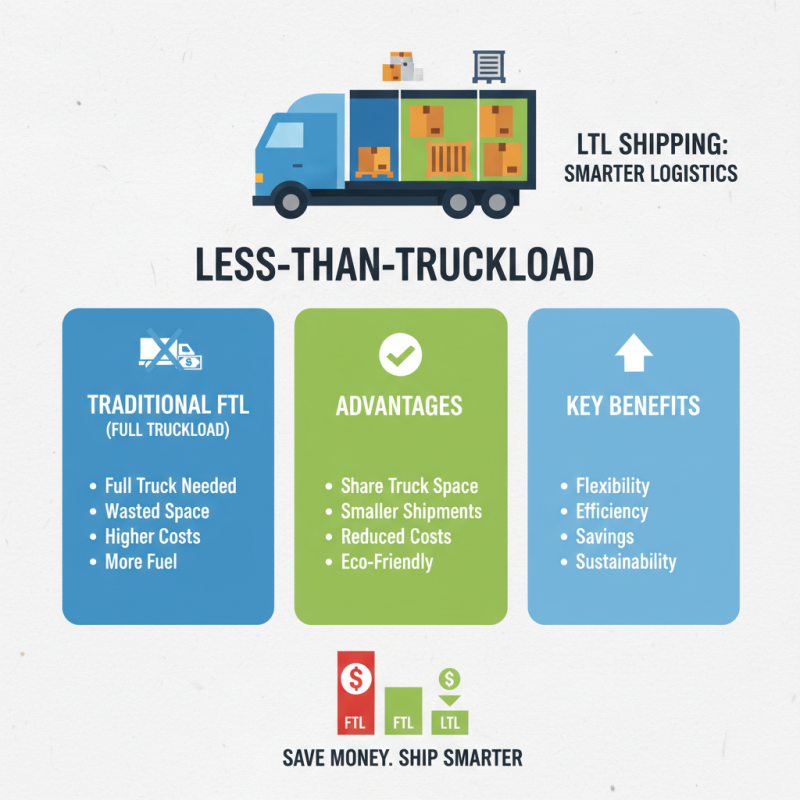
In today's logistics landscape, understanding LTL loads is essential for effective shipping. LTL stands for "Less Than Truckload," which caters to smaller shipments that don’t require a full truck. This method offers flexibility that larger freight solutions lack. Businesses can send their products efficiently without the cost of a full load.
However, using LTL loads comes with its own set of challenges. Timing can be tricky. Multiple shipments share a truck, which can lead to delays. Communication with the carrier is vital to resolve issues quickly. Understanding your shipping needs is crucial.
Despite these challenges, LTL loads can significantly benefit your shipping strategy. They reduce costs by allowing you to pay for only the space you use. This is especially advantageous for small to medium-sized businesses. Balancing efficiency and cost-effectiveness can seem daunting, but the right approach can transform your logistics game. Exploring LTL loads is a step towards more streamlined shipping practices.
Understanding LTL (Less Than Truckload) Shipping Defined
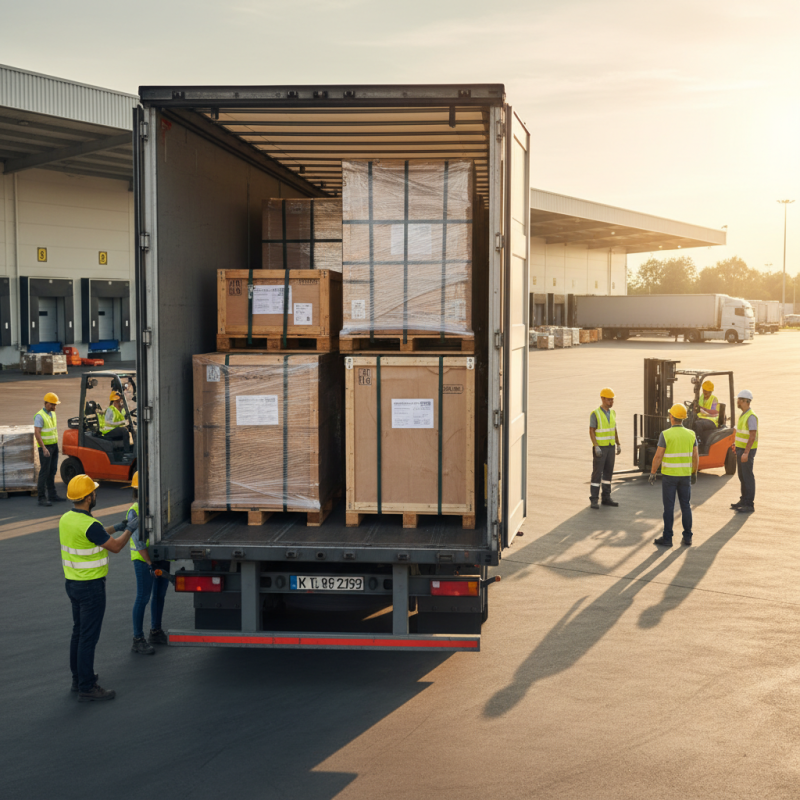
LTL stands for Less Than Truckload shipping. This method is ideal for businesses with smaller shipments. Instead of filling an entire truck, LTL allows you to share space with other shippers. This can save money. Each shipment is typically between 150 to 15,000 pounds. It’s a flexible option for many businesses.
Tips: Always measure and weigh your cargo. Accurate dimensions help prevent extra fees. Understand the freight class of your shipment. This information can lower shipping costs. Communicate with your carrier. Being clear about your needs helps avoid misunderstandings.
LTL shipping isn’t perfect. Sometimes shipments can get delayed. They may spend extra time in transit hubs. This could affect your delivery schedule. Evaluate your shipping timeline carefully. If timing is critical, consider other options. Balancing cost and speed is key.
Tips: Use pallets for easy handling. Well-packaged freight minimizes damage risk. Track your shipments regularly. This way, you can stay updated and manage expectations effectively.
Key Benefits of Using LTL Loads for Your Shipping Needs
Less-than-truckload (LTL) shipping is gaining popularity in the logistics industry. This method combines
multiple shipments into one truck. It allows businesses to
save money and optimize their freight operations.
According to the latest logistics report, nearly 60% of all shipments
in the U.S. are LTL. This highlights its widespread adoption among companies looking to streamline their
shipping needs.
One key benefit of LTL loads is cost efficiency. Companies only
pay for the space their goods occupy on a truck. This contrasts with full truckload shipments, where
businesses incur higher costs regardless of load size. The average shipping cost for LTL services has
dropped by 4% over the past year, making it a more
attractive option. Additionally, LTL helps reduce environmental impact. A single truck can carry multiple
shipments, which lowers carbon emissions per unit.
Flexibility is another advantage. LTL shipping accommodates varying
shipment sizes. Whether shipping a few pallets or a small package, LTL is adaptable to specific needs.
However, there are challenges. Transit times can be longer, especially during peak seasons. Companies may
also face potential delays due to additional handling.
The balance between cost and efficiency requires careful consideration.
How LTL Shipping Improves Cost Efficiency in Logistics
LTL shipping, or less-than-truckload shipping, plays a significant role in logistics. It allows businesses to ship smaller loads, thus reducing costs. Traditionally, companies needed a full truckload for shipments. This often led to wasted resources. With LTL, multiple shipments can share space in one truck. This leads to less fuel consumption and lower shipping rates.
Tips: Always evaluate your shipment size. If it’s under a certain weight, LTL is likely a better option. Be aware of the potential for longer transit times, as LTL makes multiple stops.
Cost efficiency is a major benefit. Companies can save money by only paying for the space they use. This flexibility helps businesses manage cash flow. However, it's essential to ensure your carrier has a solid reputation for timely delivery. Late shipments can impact your business operations.
Tips: When choosing an LTL provider, check reviews and ratings. A few bad experiences can be costly. Don't hesitate to negotiate terms for better pricing. Understanding your shipping patterns can lead to more informed decisions.
Factors to Consider When Choosing LTL Shipping Services
When considering LTL (Less Than Truckload) shipping, several factors come into play. Cost is a crucial element. According to recent industry reports, about 70% of shippers prefer LTL for its affordability when shipping smaller freight volumes. However, it's essential to evaluate the price against the reliability of service. Lower rates sometimes mean longer transit times or less frequent service.
Another critical factor is the carrier's network. Reports suggest that a strong network can enhance delivery speed by up to 30%. It's wise to ask about the carrier's route flexibility and coverage areas. Poor network choices can lead to unexpected delays.
**Tips:** Always compare quotes from multiple carriers. You can save costs and improve service efficiency this way. Additionally, consider your packaging. Efficient packaging can minimize freight class, lowering shipping expenses.
Ultimately, understanding your shipping needs is vital. Each shipper has unique demands. Identifying them ensures you choose the right LTL service. Make sure you weigh the pros and cons carefully to find what suits you best.
LTL Shipping Benefits and Considerations
Best Practices for Managing LTL Shipments Effectively
Managing LTL shipments effectively requires attention to detail and strategic planning. One key practice is accurate measurement and weight estimation of your freight. Mistakes in this area can lead to increased costs and delays. Avoid guesswork; use proper tools to ensure your shipping data is precise. This helps carriers provide the best rates and optimize space in their trucks.
Another important aspect is selecting the right carrier for your needs. Not all carriers handle LTL shipments the same way. Research service levels, transit times, and customer service ratings. Some may excel in cost efficiency, while others prioritize speed. Balancing these factors is crucial. Communication plays a vital role as well. Keep open lines with your carrier to quickly resolve issues that arise.
Tracking shipments is also essential for effective management. Many carriers offer tracking tools, but they can vary in usefulness. Analyzing this data helps identify patterns in delays or damages. Regularly reviewing these patterns allows for adjustments in your processes to minimize future issues. Understanding how LTL shipping fits into your overall logistics strategy is a work in progress. Each shipment can provide insights that help refine your approach continually.