What is the Process to Find Freight Loads Efficiently?
In today’s fast-paced logistics industry, the ability to find freight loads efficiently has become critical. According to the American Trucking Associations, around 70% of all freight in the U.S. moves by truck. This staggering statistic highlights the importance of optimizing load finding processes. Shippers and carriers face challenges in matching loads and available trucks. Inefficiencies can lead to wasted time and increased costs.
A 2022 data report from FreightWaves emphasized that nearly 30% of drivers' time is spent empty. This inefficiency underlines the urgent need to enhance strategies to find freight loads. Technology plays a significant role here. Tools such as load boards and freight matching algorithms can streamline the logistics process. However, not all solutions fit every scenario, and some may still require manual intervention.
Furthermore, the reality is that finding freight loads is not always straightforward. Market fluctuations and unexpected demands can disrupt well-laid plans. Adapting to these changes is vital. Finding the right loads requires continuous assessment and reflection on existing strategies. Effective freight management is a balance of technology, human insight, and an understanding of market dynamics.

Understanding the Basics of Freight Load Finding
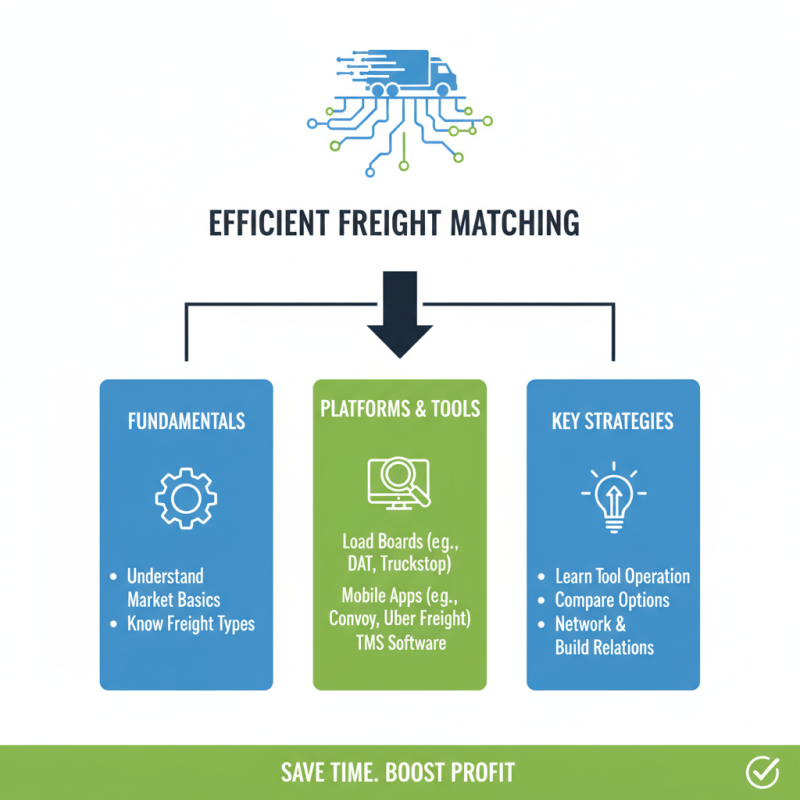
Finding freight loads efficiently requires an understanding of the basics. Knowledge of various platforms and tools plays a crucial role. Many options are available, from load boards to mobile apps. However, each comes with its own learning curve. It's essential to familiarize yourself with how these tools operate.
Tips: Always check multiple platforms for better visibility. Compare the rates and routes offered. Sometimes, a slight price difference can influence your decision.
Networking is also vital. Connect with other drivers and companies. This can result in valuable referrals and new load opportunities. Attend industry events to meet potential partners. Building relationships can lead to consistent work.
Tips: Look for online forums and social media groups. These communities can share insights and strategies. However, be aware that not all advice is reliable. Test different tactics to see what suits you best. Remember, the path to finding freight loads isn't always smooth; expect some bumps along the way.
Identifying Your Freight Requirements and Preferences
Identifying your freight requirements and preferences is crucial in finding loads efficiently. Start by assessing the type of cargo you usually transport. Is it heavy machinery or delicate electronics? Understanding the weight and size of your shipments can narrow down options significantly.
Consider also the distance between pick-up and drop-off points. Short hauls demand different arrangements than long-distance shipments.
Next, think about your preferred modes of transport. Do you favor trucks, rail, or air? Each method has its own pros and cons. For instance, trucking offers flexibility but can be expensive over long distances.
Air freight is speedy but often pricier. Balancing cost against speed and reliability is essential.
Finally, evaluate any special requirements. Do you need temperature control for perishables? Is timing critical for your deliveries? Knowing these details helps in targeting freight loads that fit your needs.
Reflect on past experiences too. Have delays occurred due to miscommunication? Learning from such moments will aid in streamlining your process moving forward.
Utilizing Freight Load Boards and Online Marketplaces
Utilizing freight load boards and online marketplaces can streamline your search for loads. These platforms connect shippers and carriers efficiently. It’s crucial to navigate them wisely. Look for boards catering to your specific freight needs. This may enhance your chances of finding the right loads.
Tip: Set alerts for preferred routes. This saves time and ensures you don’t miss opportunities. Be flexible with your search criteria. A wider range can unlock various loads you might not initially consider. Check the listings frequently. New loads appear regularly.
Remember, not every load listed will be perfect. Some may conflict with your schedule. Others might involve longer delivery times. Don’t hesitate to pass on a load that doesn't fit. Reflect on your past choices to improve future decisions. Utilize feedback from previous jobs to guide your selections.
Freight Loads Found via Different Channels (Last Month)
This chart shows the distribution of freight loads found through various channels over the last month. The data illustrates the effectiveness of freight load boards compared to other sourcing methods.
Leveraging Technology for Efficient Load Matching
In today's logistics landscape, technology plays a crucial role in load matching. Companies increasingly rely on advanced algorithms and data analytics. Reports indicate that more than 70% of freight companies use technology to streamline operations. This shift enhances efficiency and reduces costs. It also helps in finding optimal freight loads more swiftly.
Using mobile applications and online platforms is vital. These tools allow truck drivers to connect with shippers directly. Imagine receiving real-time notifications for loads that match your route. The accuracy rate from algorithm-driven load matching can reach up to 90%. Yet, not all technology is foolproof. Some platforms may have outdated listings or poor user interfaces.
Tip: Regularly check for updates on load-matching platforms to ensure data accuracy. Being proactive can prevent missed opportunities.
Data shows that about 30% of shippers still rely on traditional methods. They may struggle with delays and missed loads. It's clear that integration of technology is not just a trend; it’s a necessity. As shippers adopt tech solutions, the industry faces a learning curve. Adapting to change can be challenging, but the potential benefits are significant.
Tip: Engage in training sessions to maximize your use of tech tools. Knowledge is key to leveraging these advances effectively.
Networking with Brokers and Shippers for Better Opportunities
Networking with brokers and shippers can significantly improve your ability to find freight loads. According to industry reports, about 40% of freight partnerships stem from strong relationships. Building trust is essential in this highly competitive market. Attending industry conferences or local meet-ups can foster invaluable connections. These events often lead to insightful conversations that can reveal upcoming freight needs.
Utilizing online platforms is another effective strategy. Many brokers and shippers now use social media and business networks to post their freight requirements. Engaging in these discussions can position you favorably. Remember, being proactive rather than reactive can open doors.
It's also important to reflect on your approach and tailor your communications. Some drivers admit to using generic messages that fail to stand out. Personalizing your outreach can lead to better responses. Calculating your outreach frequency is crucial; being too pushy can damage relationships. Focus on quality interactions over quantity. By assessing your communication style and refining it, you can enhance your network and, ultimately, secure more freight loads.