Top 10 Creative Uses for Shipping Containers in Modern Architecture
The shipping container has evolved beyond its original purpose. These robust metal crates now play a pivotal role in modern architecture. With the rapid growth of urban populations, innovative solutions are necessary. According to a report by McKinsey, urbanization could add 2.5 billion people to cities by 2050. This surge necessitates affordable housing solutions.
Shipping containers present a creative alternative for various architectural needs. They inspire innovative designs while being cost-effective. Projects utilizing shipping containers have reduced construction time by up to 30%. This efficiency addresses urgent housing shortages. Architects are transforming these containers into homes, offices, and even schools. It’s fascinating yet challenging; the aesthetics must align with functionality.
However, there are hurdles. Not every shipment container is suitable for conversion. Some containers may require extensive modifications for safety standards. While using shipping containers is appealing, it raises questions about sustainability. Are we truly making the best use of materials? As we explore the top ten creative uses of shipping containers, reflect on their potential impact on our urban landscapes.
Innovative Residential Designs Utilizing Shipping Containers
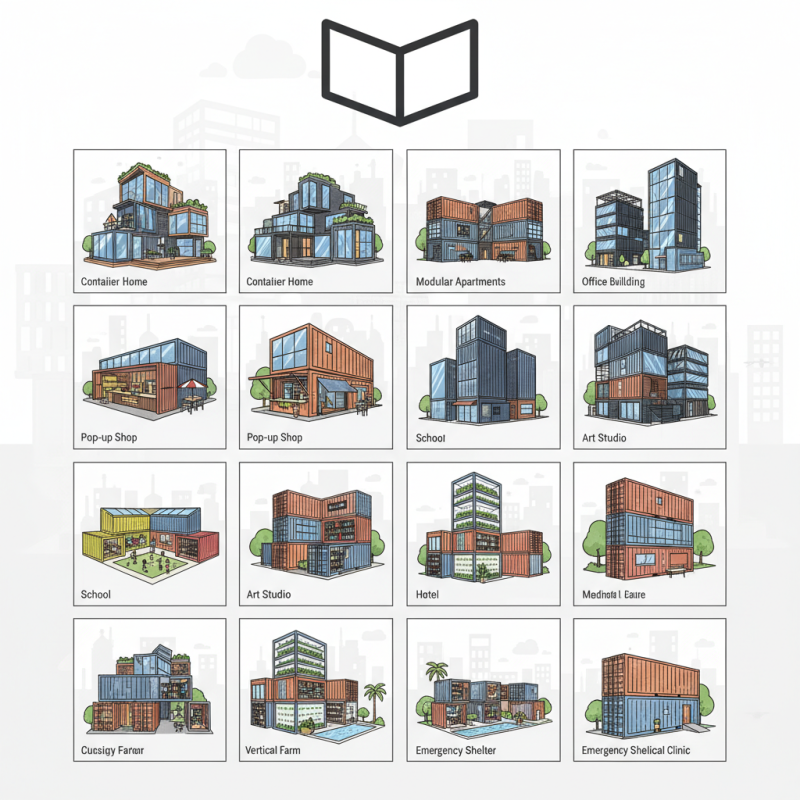
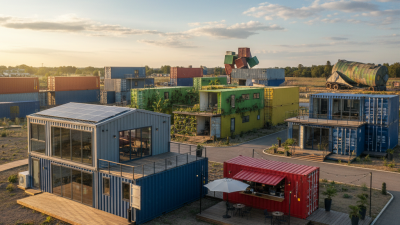
Shipping containers are revolutionizing modern architecture, especially in residential design. Their sturdy metal frames provide unique opportunities for creative living spaces. Imagine a cozy home built from a repurposed container, painted bright yellow, nestled in an urban landscape. Large windows let in natural light, creating a warm atmosphere inside. This bold approach not only looks fresh but also promotes sustainability by recycling materials.
Many residential projects use multiple containers stacked together. This method allows for flexible layouts and spacious interiors. A two-story design might feature outdoor terraces, perfect for gardening or entertaining. However, these designs can face challenges. Insulation and ventilation need careful consideration. Without proper planning, energy efficiency may suffer, leading to higher utility bills.
Additionally, container homes can sometimes feel boxy. Innovative architects tackle this by incorporating curved shapes or adding soft landscaping. Yet, the choice of materials inside can make a significant difference. Using wood or stone can soften the industrial vibe. Each project is a mix of creativity and practicality, reflecting the homeowner’s personality.
Top 10 Creative Uses for Shipping Containers in Modern Architecture
Transforming Commercial Spaces with Shipping Container Architecture
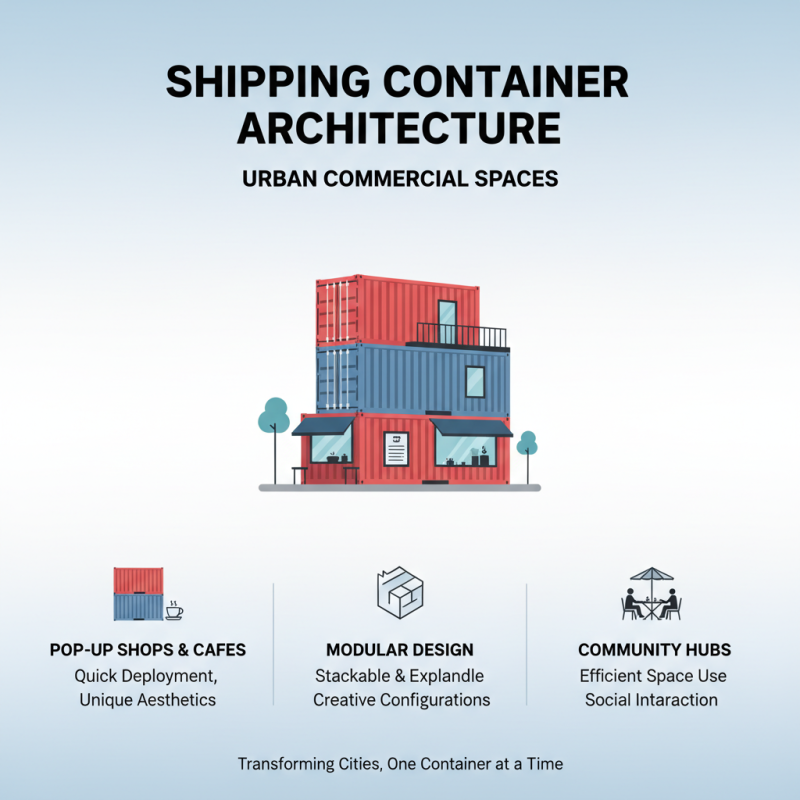
Shipping container architecture has transformed commercial spaces in intriguing ways. Many businesses are now utilizing these containers for pop-up shops, cafes, or offices. The modular nature of containers allows for creative designs and efficient use of urban landscapes. Imagine a coffee shop made from stacked containers, complete with outdoor seating. This approach utilizes limited spaces effectively and encourages community interaction.
Furthermore, using shipping containers poses unique challenges. For instance, insulation and ventilation must be carefully planned. A poorly insulated space can lead to discomfort for customers and employees alike. Designers often face the dilemma of maintaining functionality while creating an inviting atmosphere. Balancing aesthetics with practicality is vital. Sometimes, the industrial look appeals to the target audience, but other times it may not be suitable.
Overall, the trend of utilizing shipping containers in commercial architecture is growing. It encourages sustainability and innovative thinking. However, it requires thoughtful execution to ensure a successful outcome. Every project can become a learning experience, highlighting both the possibilities and limitations of this unique architectural approach.
Sustainable Urban Development Through Shipping Container Solutions
Shipping containers are revolutionizing urban architecture. They provide a sustainable option for building homes, offices, and even community centers. According to a recent report by the World Economic Forum, about 200 million shipping containers are in circulation globally. By repurposing some of these containers, we can significantly reduce waste and carbon footprints.
Many cities are exploring container homes as affordable housing solutions. In the U.S., approximately 15% of the population lives in poverty. Shipping containers could offer a practical way to address housing shortages. However, there's a catch. Not everyone appreciates their industrial look. Creatively designing these spaces can transform perceptions.
Tip: Use natural materials alongside steel. It softens the aesthetic and enhances livability. Additionally, consider integrating green spaces. Urban gardens or green roofs can improve air quality and resident well-being. It's essential to think about insulation too. With proper planning, a container home can be comfortable and energy-efficient.
Artistic Installations and Public Spaces Crafted from Shipping Containers
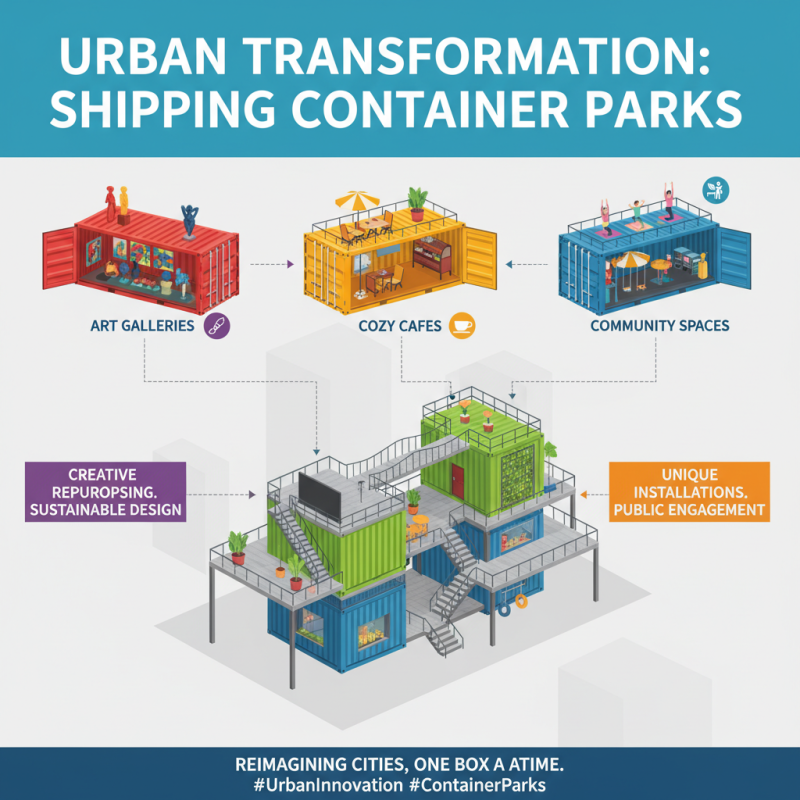
Shipping containers are transforming urban landscapes into vibrant public spaces. Artists and architects creatively repurpose these boxes. They turn them into unique installations, parks, and community spaces. Imagine a park composed entirely of colorful shipping containers. Each container offers a new experience, from art galleries to cozy cafes.
Public art installations are becoming popular. They invite engagement and interaction. Container-modified spaces encourage people to gather. Local artists display their work, bringing culture into everyday life. However, not every iteration meets expectations. Some projects may lack adequate infrastructure, making them uninviting.
These creative endeavors can also come with challenges. A striking design might overshadow functionality. Containers may not provide enough shelter during bad weather. This raises questions about their long-term viability. Thoughtful design is essential to ensure these spaces serve communities effectively. Addressing these concerns will enhance their impact on urban life.
Functional Flexibility: Modular Uses of Shipping Containers in Design
Shipping containers are revolutionizing modern architecture with their functional flexibility. These steel boxes can transform into various spaces. They can become homes, offices, or even cafes. The modular nature of containers allows designers to stack or arrange them in countless configurations. This adaptability is appealing for those seeking unique structures.
Creating functional spaces can be challenging. Containers need insulation and ventilation for comfort. Designers must also think about aesthetics. A plain steel box might lack charm. Adding windows and colorful exteriors can enhance visual appeal. However, these modifications can be costly. Balancing creativity with budget constraints is a critical aspect of this design.
Flexibility is often a double-edged sword. While containers allow for innovative designs, they may require constant maintenance. Rust can be an issue in harsh climates. Additionally, local regulations may pose challenges. Builders need to ensure compliance with safety codes. This careful planning can be time-consuming but is essential for successful outcomes.
Top 10 Creative Uses for Shipping Containers in Modern Architecture
| Use Case | Description | Advantages | Example Projects |
|---|---|---|---|
| Residential Homes | Using shipping containers to create affordable and sustainable housing. | Cost-effective, eco-friendly, quick assembly. | Container homes in urban areas. |
| Pop-Up Shops | Modular retail spaces that can be relocated easily. | Flexibility, low startup costs, high visibility. | Seasonal markets or festivals. |
| Office Spaces | Creating innovative working environments. | Cost-efficient, customizable layouts. | Co-working spaces or startups. |
| Community Centers | Spaces for social gatherings and activities. | Promotes community interaction, low construction time. | Neighborhood events or youth programs. |
| Storage Facilities | Utilizing containers for secure storage solutions. | Security, mobility, weatherproof. | Self-storage units. |
| Restaurants and Cafés | Shipping containers converted into dining spaces. | Unique ambiance, lower overhead costs. | Food trucks utilizing fixed containers. |
| Art Installations | Using containers as platforms for art displays. | Innovative, engaging, and interactive. | Public art exhibitions or festivals. |
| School Classrooms | Flexible educational spaces that can adapt. | Adaptable, cost-saving solutions for growing districts. | Temporary classrooms during school renovations. |
| Greenhouses | Containers used for urban farming and gardening. | Environmental sustainability, efficient use of space. | Community gardening projects. |
Related Posts
-
2025 Top Trends in Large Shipping Container Use and Market Growth Data
-
Top 10 Best Uses for Empty Shipping Containers You Need to Know
-

How to Choose the Right Cargo Shipping Container for Your Needs in 2025
-

What is a Sea Container and How is it Used in Shipping Industry
-

2026 Best Sea Container Options for Sustainable Living and Shipping Solutions?
-

How to Choose the Right Full Truck Load Shipping Service for Your Business?